
You've probably heard the phrase "gut health" countless times. Wellness influencers talk about it. Nutritionists emphasize it. Your doctor might have mentioned it. But what does "gut health" actually mean, and why has it become such a central focus in modern medicine and wellness?
Here's the simple truth: your gut is far more than just a digestive organ. It's home to trillions of microorganisms that influence your immune system, produce vitamins, regulate mood through neurotransmitter production, affect your weight and metabolism, communicate directly with your brain, and impact virtually every aspect of your health.
When your gut is healthy, these processes function smoothly. You have consistent energy, comfortable digestion, stable moods, clear skin, and resilient immunity. When gut health is compromised, the effects ripple throughout your entire body—often in ways you might not immediately connect to digestion.
This comprehensive guide explains what gut health really means from a scientific perspective, how to recognize signs your gut needs support, and evidence-based strategies to optimize digestive wellness—including the powerful role of premium chlorella supplementation.
Important disclaimer: This article is for educational purposes only and does not constitute medical advice. Persistent digestive symptoms may indicate serious conditions requiring professional medical evaluation. Always consult qualified healthcare professionals regarding digestive health concerns.
What Is Gut Health? Understanding the Basics
Gut health refers to the balance and optimal functioning of your entire gastrointestinal system—from mouth to elimination—with particular emphasis on the complex ecosystem of microorganisms living in your intestines.
Your Digestive System: More Than a Tube
Your digestive tract is a sophisticated 9-meter-long system performing multiple critical functions:
Digestion and nutrient absorption: Breaking down food into components your body can absorb and use—proteins into amino acids, carbohydrates into sugars, fats into fatty acids.
Immune defense: Approximately 70-80% of your immune system resides in or around your gut. The intestinal lining serves as a barrier, allowing nutrients through while blocking pathogens and unwanted substances.
Hormone and neurotransmitter production: Your gut produces numerous hormones affecting hunger, satiety, and metabolism. It also produces about 90% of your body's serotonin—the neurotransmitter affecting mood and wellbeing.
Detoxification support: Your digestive system eliminates waste products and toxins processed by your liver, preventing their reabsorption into your bloodstream.
Microbiome housing: Your intestines house the gut microbiome—the community of trillions of bacteria, fungi, viruses, and other microorganisms that profoundly influence your health.
The Gut Microbiome: Your Inner Ecosystem
The gut microbiome is perhaps the most fascinating and important aspect of gut health. You host approximately 100 trillion microorganisms in your digestive system—more microbial cells than human cells in your entire body.
This isn't just passive cohabitation. These microorganisms actively influence your health through multiple mechanisms:
Nutrient production: Beneficial bacteria produce B-vitamins (including B12, biotin, folate), vitamin K2, and short-chain fatty acids that nourish intestinal cells and provide energy.
Immune regulation: Your gut bacteria train and regulate your immune system, helping it distinguish between threats and harmless substances. Imbalanced gut bacteria (dysbiosis) is linked to autoimmune conditions, allergies, and chronic inflammation.
Metabolic influence: Gut bacteria affect how you extract and store energy from food, influence fat storage, and impact insulin sensitivity. Research shows gut microbiome composition differs between lean and obese individuals.
Brain communication: Through the gut-brain axis (discussed below), your gut bacteria produce neurotransmitters and other compounds that directly affect mood, anxiety, cognition, and behavior.
Barrier integrity: Beneficial bacteria support the intestinal lining's integrity, preventing "leaky gut"—increased intestinal permeability that allows unwanted substances into your bloodstream.
Pathogen protection: Beneficial bacteria compete with harmful microorganisms for resources and space, produce antimicrobial compounds, and maintain an environment hostile to pathogens.
What "Healthy" Gut Health Looks Like
While everyone's microbiome is unique, healthy gut health generally includes:
Microbial diversity: A wide variety of bacterial species, not dominance by just a few types. Greater diversity generally correlates with better health outcomes.
Beneficial species predominance: Higher populations of beneficial bacteria (like Lactobacillus, Bifidobacterium species) relative to potentially harmful ones.
Balanced ratios: Appropriate balance between different bacterial families (like Bacteroidetes and Firmicutes).
Intact intestinal barrier: Tight junctions between intestinal cells preventing unwanted substances from entering the bloodstream.
Regular, comfortable elimination: 1-2 well-formed bowel movements daily without pain, urgency, or excessive gas.
Minimal inflammation: Low levels of inflammatory markers in digestive tissues.
Efficient digestion: Proper breakdown and absorption of nutrients without excessive bloating, gas, or discomfort.
Signs Your Gut Health Needs Attention
Gut health problems often manifest in ways you might not immediately recognize as digestive issues. Here are the most common signs:
Digestive Symptoms (The Obvious Ones)
Bloating and gas: Feeling like your abdomen is distended, tight, or full of air, especially after meals. While some gas is normal, excessive bloating suggests imbalanced bacteria fermenting food excessively.
Irregular bowel movements: Constipation (fewer than 3 bowel movements weekly, hard stools, straining), diarrhea (loose, watery stools more than 3 times daily), or alternating between the two.
Abdominal pain or cramping: Discomfort ranging from mild to severe, potentially indicating inflammation, excessive gas, or other digestive dysfunction.
Acid reflux and heartburn: Burning sensation in chest or throat, often after eating. While commonly attributed to excess stomach acid, it can actually reflect insufficient stomach acid or gut dysbiosis.
Food sensitivities: Developing reactions to foods you previously tolerated, suggesting intestinal barrier dysfunction and immune activation.
Visible changes in stool: Unusual color, consistency, or the presence of undigested food, mucus, or blood (which requires immediate medical evaluation).
Systemic Symptoms (The Surprising Ones)
Chronic fatigue: Your gut microbiome influences energy production and nutrient absorption. Poor gut health often manifests as persistent low energy regardless of sleep.
Brain fog and difficulty concentrating: The gut-brain connection means gut dysfunction can directly impair cognitive function, creating mental cloudiness and concentration difficulties.
Mood disturbances: Anxiety, depression, irritability, and mood swings can reflect gut microbiome imbalances affecting neurotransmitter production and inflammation.
Skin problems: Acne, eczema, rosacea, and other skin conditions often improve when gut health is addressed. The gut-skin axis means internal inflammation manifests externally.
Frequent illness: Since most of your immune system resides in your gut, dysbiosis often leads to increased susceptibility to infections and longer recovery times.
Sleep disturbances: Your gut produces serotonin, which converts to melatonin for sleep. Gut problems can disrupt this process, affecting sleep quality.
Weight changes: Unexplained weight gain or difficulty losing weight despite appropriate diet and exercise can reflect gut microbiome influence on metabolism and fat storage.
Sugar and carb cravings: Certain gut bacteria thrive on sugar and can influence your cravings, creating a cycle where you crave what feeds imbalanced bacteria.
Autoimmune conditions: Many autoimmune diseases have been linked to gut dysbiosis and increased intestinal permeability.
The Gut-Brain Connection: Why Gut Health Affects Your Mind
The relationship between your gut and brain is so significant that scientists call the gut your "second brain." This connection operates through multiple pathways:
The Vagus Nerve: Direct Communication Highway
The vagus nerve is a major nerve running from your brain stem to your abdomen, directly connecting your gut and brain. Signals travel in both directions—your brain affects your gut (stress causing digestive upset), and your gut affects your brain (gut bacteria influencing mood and cognition).
Research shows the vagus nerve transmits information about gut microbiome composition to the brain, influencing everything from anxiety levels to decision-making.
Neurotransmitter Production
Your gut microbiome produces significant quantities of neurotransmitters:
Serotonin: About 90% of your body's serotonin is produced in the gut. Serotonin affects mood, appetite, sleep, and pain perception. Gut dysbiosis can reduce serotonin production, contributing to depression and anxiety.
GABA (gamma-aminobutyric acid): This calming neurotransmitter is produced by certain gut bacteria. Lower GABA is associated with anxiety and poor stress resilience.
Dopamine: Involved in motivation, pleasure, and reward. Gut bacteria influence dopamine production and metabolism.
Acetylcholine: Affects memory and learning. Gut bacteria produce compounds influencing acetylcholine levels.
Immune System Signaling
Your gut immune system communicates with your brain through inflammatory signaling molecules called cytokines. When gut inflammation is high, these inflammatory signals reach the brain, affecting mood, cognition, and behavior. This is why depression and anxiety often improve when gut inflammation is reduced.
Metabolite Production
Gut bacteria produce various metabolites (byproducts of metabolism) that enter your bloodstream and reach your brain. Short-chain fatty acids like butyrate, propionate, and acetate influence brain function, support the blood-brain barrier, and may protect against neurological diseases.
What Damages Gut Health?
Understanding what harms gut health helps you make informed choices to protect it:
Antibiotics and Medications
Antibiotics: While sometimes necessary and lifesaving, antibiotics kill both harmful and beneficial bacteria indiscriminately. A single course can significantly disrupt your microbiome for months. Unnecessary antibiotic use is particularly damaging.
Other medications: Proton pump inhibitors (acid reflux medications), NSAIDs (anti-inflammatory pain relievers), and certain other drugs can damage intestinal lining and alter microbiome composition.
Poor Diet
Processed foods: High in refined sugars, unhealthy fats, and additives while lacking fiber and nutrients. This diet starves beneficial bacteria and feeds potentially harmful ones.
Low fiber intake: Beneficial gut bacteria feed on dietary fiber. Most people consume far less fiber than the recommended 25-35 grams daily, essentially starving their beneficial bacteria.
Excessive sugar and refined carbs: Feeds problematic bacteria and yeast (like Candida), promoting dysbiosis.
Artificial sweeteners: Some studies suggest artificial sweeteners negatively affect gut bacteria composition and glucose metabolism.
Insufficient diversity: Eating the same foods repeatedly limits the diversity of nutrients feeding your gut bacteria.
Chronic Stress
Stress directly affects gut function through multiple mechanisms:
- Reduces digestive enzyme production and stomach acid
- Alters gut motility (causing constipation or diarrhea)
- Increases intestinal permeability
- Changes microbiome composition
- Reduces beneficial bacteria populations
The gut-brain connection means chronic stress significantly damages gut health over time.
Alcohol
Excessive alcohol consumption damages the intestinal lining, promotes inflammation, kills beneficial bacteria, and feeds problematic organisms. Even moderate consumption can affect gut health in sensitive individuals.
Environmental Toxins
Pesticides, heavy metals, industrial chemicals, and other environmental toxins can damage gut bacteria, increase intestinal permeability, and promote inflammation. This is one reason supporting detoxification through gut health is important.
Sleep Deprivation
Your gut bacteria have circadian rhythms. Chronic sleep deprivation disrupts these rhythms, altering microbiome composition and function. Poor sleep also increases intestinal permeability and inflammation.
Lack of Exercise
Physical inactivity is associated with reduced microbial diversity and altered gut bacteria composition. Regular movement supports healthy gut function and beneficial bacteria populations.
How to Improve Gut Health: Evidence-Based Strategies
Optimizing gut health involves multiple complementary approaches. Here are the most effective, science-backed strategies:
1. Increase Dietary Fiber Dramatically
Fiber is the primary food source for beneficial gut bacteria. Most people consume only 10-15 grams daily while optimal intake is 25-35 grams or more.
Diverse plant foods: Vegetables, fruits, whole grains, legumes, nuts, and seeds all provide different fiber types feeding different beneficial bacteria. Aim for 30+ different plant foods weekly.
Prebiotic fibers: Certain fibers particularly feed beneficial bacteria—found in garlic, onions, leeks, asparagus, bananas, oats, apples, and flaxseeds.
Gradually increase: Adding too much fiber suddenly can cause temporary digestive discomfort. Increase gradually over weeks, allowing your gut bacteria to adapt.
2. Include Fermented Foods
Fermented foods provide beneficial bacteria (probiotics) and compounds that support gut health:
Yogurt and kefir: Choose varieties with live, active cultures and minimal added sugar.
Sauerkraut and kimchi: Traditional fermentation creates beneficial bacteria. Choose unpasteurized versions containing live cultures.
Kombucha: Fermented tea providing beneficial bacteria and organic acids.
Miso and tempeh: Fermented soy products common in Asian cuisines.
Start with small amounts and gradually increase as tolerated.
3. Support with Premium Chlorella
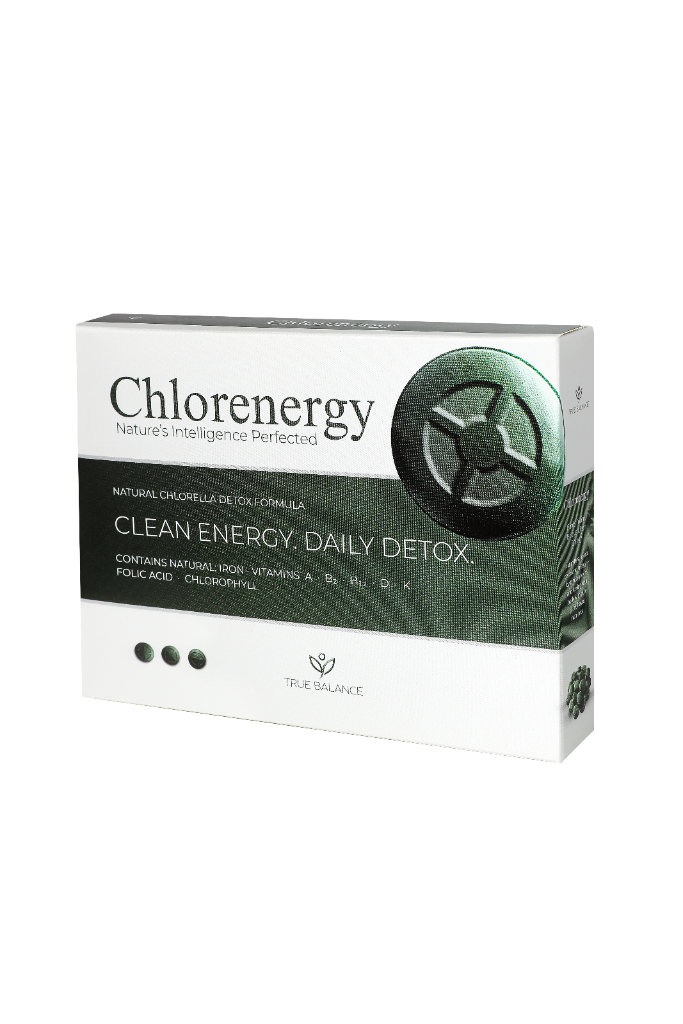
This is where CHLORENERGY® organic chlorella becomes particularly valuable for gut health.
Chlorella supports digestive wellness through multiple mechanisms:
Fiber Content: Chlorella provides 10-20% dietary fiber, supporting regular bowel movements and feeding beneficial gut bacteria. This fiber helps maintain healthy gut motility and prevents constipation that can lead to toxin reabsorption.
Prebiotic Effects: Research suggests chlorella can positively influence gut microbiome composition, increasing populations of beneficial bacteria like Lactobacillus and Bifidobacterium species while potentially inhibiting harmful organisms.
Intestinal Support: The complete nutritional profile in chlorella—protein, vitamins, minerals, and beneficial compounds—provides nutrients that support intestinal cell health and barrier integrity.
Detoxification Support: Chlorella's unique cell wall binds toxins in the digestive tract, preventing their absorption and supporting elimination. This reduces the toxic burden that can damage gut bacteria and intestinal lining.
Anti-inflammatory Properties: The high chlorophyll content and other compounds in chlorella have anti-inflammatory effects that may help reduce gut inflammation associated with dysbiosis.
Chlorella Growth Factor (CGF): This unique complex of nucleic acids, amino acids, and other compounds may support gut cell repair and regeneration.
Complete Nutrition: With 60% complete protein, all B-vitamins including bioavailable B12, minerals, and antioxidants, chlorella provides comprehensive nutrition that supports overall gut health and function.
For optimal gut health support, taking CHLORENERGY® chlorella (7 tablets three times daily) provides consistent fiber, nutrients, and beneficial compounds that support digestive wellness alongside other gut-healthy practices.
4. Manage Stress Proactively
Given stress's profound impact on gut health, stress management isn't optional—it's essential:
Regular practice: Daily meditation, yoga, deep breathing, or other relaxation techniques.
Time in nature: Exposure to natural environments reduces stress and may even expose you to beneficial environmental bacteria.
Adequate sleep: Prioritize 7-9 hours nightly to support gut bacteria circadian rhythms and allow gut repair.
Social connection: Meaningful relationships and social support reduce stress and support overall health including gut function.
5. Prioritize Sleep Quality
Sleep and gut health have bidirectional relationships—poor sleep damages gut health, and poor gut health impairs sleep:
Consistent schedule: Same bedtime and wake time daily, even weekends.
Sleep environment: Cool, dark, quiet bedroom.
Evening routine: Wind-down activities starting 1-2 hours before bed, avoiding screens and stimulating activities.
Dinner timing: Finish eating 2-3 hours before bed to allow digestion before sleep.
6. Exercise Regularly
Physical activity benefits gut health through multiple pathways:
Increases diversity: Regular exercise is associated with greater microbial diversity.
Supports motility: Movement helps maintain healthy digestive motility, preventing constipation.
Reduces inflammation: Exercise has anti-inflammatory effects throughout the body including the gut.
Manages stress: Physical activity is one of the most effective stress management tools.
Aim for 150+ minutes of moderate activity weekly, including both cardiovascular exercise and strength training.
7. Stay Well-Hydrated
Adequate water intake supports:
- Digestive enzyme production
- Mucosal lining integrity
- Nutrient absorption
- Regular bowel movements
- Toxin elimination
Aim for 2-3 liters daily, more in hot climates like Dubai or with intense exercise.
8. Limit Gut Disruptors
Minimize unnecessary antibiotics: Only use when medically necessary, and consider probiotic support during and after courses.
Reduce alcohol: If you drink, keep it moderate and occasional rather than daily.
Avoid artificial sweeteners: Some studies suggest they harm gut bacteria; use natural alternatives in moderation.
Minimize processed foods: Focus on whole, minimally processed foods as much as feasible.
Manage NSAIDs: If you need pain relief, work with healthcare providers to minimize gut damage from medications.
9. Consider Quality Probiotics (When Appropriate)
While whole food sources of probiotics are ideal, supplemental probiotics can help in certain situations:
- After antibiotic courses
- During/after digestive illness
- When traveling
- For specific health conditions under professional guidance
Choose high-quality, research-backed strains with adequate colony-forming units (CFUs). Quality matters enormously with probiotics.
10. Address Food Sensitivities
If you suspect food sensitivities are affecting gut health:
Elimination diet: Temporarily remove common triggers (gluten, dairy, soy, eggs, nuts) for 3-4 weeks, then systematically reintroduce while monitoring symptoms.
Food journal: Track what you eat and how you feel to identify patterns.
Professional guidance: Work with qualified practitioners for proper testing and interpretation if needed.
Special Considerations: Gut Health in Dubai & UAE
Living in Dubai and the UAE creates specific gut health considerations:
International dining: The exceptional variety of cuisines available means your digestive system encounters diverse food preparation methods, spices, and ingredients. While this variety can benefit microbiome diversity, it can also create challenges if you have sensitivities.
Travel frequency: Dubai residents often travel extensively, encountering different water sources, foods, and potential pathogens. This can disrupt gut bacteria balance temporarily.
Climate and hydration: The hot climate increases fluid requirements. Inadequate hydration in Dubai's environment can lead to constipation and compromised gut function.
Stress and pace: Dubai's fast-paced lifestyle can contribute to chronic stress affecting gut health. Proactive stress management becomes particularly important.
Access to quality: The advantage is Dubai's access to world-class healthcare, premium supplements like CHLORENERGY® through TrueBalance Nutrition, organic foods at markets like Waitrose and Spinneys, and wellness resources.
When to Seek Professional Help
While these strategies support general gut health, certain situations require professional medical evaluation:
- Persistent or severe abdominal pain
- Blood in stool (visible or testing positive)
- Unexplained weight loss
- Persistent diarrhea or constipation despite lifestyle changes
- Symptoms interfering with daily life
- New symptoms after age 50
- Family history of colon cancer or inflammatory bowel disease
- Severe food reactions or suspected allergies
Dubai offers excellent gastroenterologists and integrative medicine practitioners who can provide comprehensive evaluation and treatment when needed.
The Long-Term View: Gut Health as Lifestyle
Optimizing gut health isn't a temporary project—it's a lifetime practice. Your gut microbiome responds to your daily choices, continuously adapting to your diet, stress levels, sleep quality, and environment.
The good news is that gut health improvements can happen relatively quickly. Many people notice better digestion, increased energy, improved mood, and clearer skin within 2-4 weeks of implementing gut-healthy practices. Deeper changes in microbiome composition and diversity develop over months of consistent habits.
Think of gut health support as an investment with compounding returns. Each healthy choice supports beneficial bacteria, reduces inflammation, strengthens intestinal integrity, and creates conditions for optimal function. Over time, these incremental improvements accumulate into significant health transformation.
Your Gut Health Action Plan
Ready to optimize your gut health? Here's a practical starting point:
Week 1-2: Foundation
- Increase fiber gradually by adding more vegetables, fruits, and whole grains
- Start drinking 2-3 liters of water daily
- Begin CHLORENERGY® chlorella (3-5 tablets 2-3 times daily)
- Add one fermented food (yogurt, sauerkraut, kimchi) to daily diet
Week 3-4: Expansion
- Increase chlorella to full serving (7 tablets 3 times daily)
- Add one new stress management practice (meditation, yoga, walks)
- Prioritize 7-9 hours sleep with consistent schedule
- Expand plant food diversity—try new vegetables, fruits, whole grains
Month 2-3: Optimization
- Continue all practices consistently
- Notice improvements in energy, digestion, mood, skin
- Fine-tune based on your response
- Make it sustainable by finding versions of these practices you actually enjoy
Ongoing: Lifestyle Integration
- Maintain fiber-rich, diverse whole food diet
- Continue CHLORENERGY® chlorella for ongoing support
- Keep stress management and sleep as non-negotiable priorities
- Regular movement and adequate hydration
- Minimize gut disruptors when feasible
Conclusion: Your Gut, Your Foundation
Your gut health affects virtually every aspect of your wellbeing—from energy and immunity to mood and metabolism. Understanding what gut health means and implementing evidence-based strategies to optimize it may be one of the most impactful investments you make in your long-term wellness.
The path to optimal gut health doesn't require extreme measures or expensive protocols. It requires consistent attention to foundational practices: fiber-rich whole foods, adequate hydration, stress management, quality sleep, regular movement, and strategic supplementation with premium chlorella.
CHLORENERGY® organic chlorella supports gut health through comprehensive mechanisms—fiber for beneficial bacteria, nutrients for intestinal integrity, detoxification support, and anti-inflammatory compounds. With 50+ years of Japanese cultivation excellence and pharmaceutical-grade purity, CHLORENERGY® provides the quality essential for supplements specifically supporting gut health.
Through TrueBalance Nutrition in Dubai and the UAE, you have access to authentic CHLORENERGY® with expert guidance, proper storage, and convenient delivery across the Emirates.
Your gut is your foundation for whole-body health. Support it well, and experience the vitality that comes from optimal digestive wellness.
Ready to support your gut health with premium chlorella?
Discover CHLORENERGY® Organic Chlorella exclusively through TrueBalance Nutrition in UAE:
🌿 50+ years Japanese cultivation excellence
🔬 Pharmaceutical-grade purity - every batch tested
💚 10-20% fiber for digestive health
🦠 Supports beneficial gut bacteria
⚡ Complete nutrition: 60% protein, bioavailable B12, minerals
🌱 Natural detoxification support
📦 Order Now: truebalance-nutrition.com
📍 Fast Delivery: Dubai, Abu Dhabi & Across UAE
💬 Expert Guidance: Contact our wellness team for personalized support
Transform your gut health. Transform your life.
Important Medical Disclaimer: This article is for educational purposes only and does not constitute medical advice. CHLORENERGY® is a dietary supplement and is not intended to diagnose, treat, cure, or prevent any disease including digestive conditions. Before starting any supplement or making significant dietary changes, consult qualified healthcare professionals, especially if you have existing digestive conditions, take medications, are pregnant or nursing. Individual results vary.
Premium gut health support starts with premium chlorella. CHLORENERGY® through TrueBalance Nutrition—your trusted source for authentic Japanese quality in the UAE.