
Walk into any health food store or browse wellness websites, and you'll find two green algae supplements dominating the superfood space: chlorella and spirulina. Both are marketed as nutrient-dense powerhouses, both promise impressive health benefits, and both come from aquatic environments.
But here's what most people don't realize: these two algae are fundamentally different organisms with vastly different properties—particularly when it comes to supporting your body's natural detoxification processes. Even more importantly, the quality gap between premium and budget versions can mean the difference between supporting your health and potentially adding to your toxic burden.
This comprehensive guide examines the science, the differences, and—critically—why quality and sourcing matter more than most people realize.
Important disclaimer: This article is for educational purposes only. Chlorella and spirulina are dietary supplements, not medications. Information about detoxification refers to supporting the body's natural processes, not treating medical conditions. Always consult qualified healthcare professionals for personalized guidance.
Understanding the Fundamental Differences
Before comparing their properties, let's understand what these organisms actually are—because the differences start at the most basic biological level.
Chlorella: The True Detox Specialist
Chlorella is a single-celled freshwater green microalgae that has existed for approximately 2 billion years. Key characteristics include:
Biological Classification:
- True algae (Chlorophyta)
- Single-celled organism
- Reproduces through rapid cell division (4 divisions in 20 hours)
- Spherical shape, 3-8 micrometers in diameter
- Grows in freshwater environments
Unique Structural Features:
- Possesses a tough, triple-layered cell wall made of cellulose, hemicellulose, and chitin-like compounds
- This cell wall structure is critical for detoxification properties
- Contains the largest concentration of chlorophyll of any known plant
- Performs photosynthesis with 10-20% efficiency (remarkably high)
Nutritional Profile:
- 50-60% complete protein with all essential amino acids
- 10-20% fiber content
- Rich in Chlorella Vulgaris Extract (CVE) - unique to high-quality chlorella
- Contains bioavailable vitamin B12 (methylated form)
- Full spectrum of vitamins and minerals
Spirulina: The Protein Powerhouse
Spirulina is actually not a true algae at all—it's a cyanobacterium (blue-green algae). Key characteristics include:
Biological Classification:
- Cyanobacterium (technically not algae)
- Multicellular filamentous organism
- Spiral-shaped (hence the name)
- Grows in alkaline saltwater or brackish water
- Thrives in warm, high-pH environments
Structural Features:
- No rigid cell wall—has a soft membrane instead
- This makes spirulina easier to digest initially
- Contains less chlorophyll than chlorella
- Distinctive blue pigment (phycocyanin) alongside green
Nutritional Profile:
- 60-70% protein content
- Minimal fiber (lacks rigid cell structure)
- Rich in gamma-linolenic acid (GLA)
- Contains some vitamins and minerals
- No true vitamin B12 (contains pseudovitamin B12 analogs that humans can't utilize)
The Critical Difference: Detoxification Capacity
This is where the two organisms diverge dramatically—and where quality becomes absolutely crucial.
Chlorella's Unique Binding Properties
Chlorella's triple-layered cell wall is what makes it exceptional for supporting natural detoxification. Research has examined this unique structure extensively:
How the cell wall works: The fibrous, porous structure of chlorella's cell wall acts like a molecular sponge with selective binding properties. Studies suggest it can bind to:
- Heavy metals (mercury, lead, cadmium, arsenic)
- Pesticide residues
- Certain chemical toxins
- Environmental pollutants
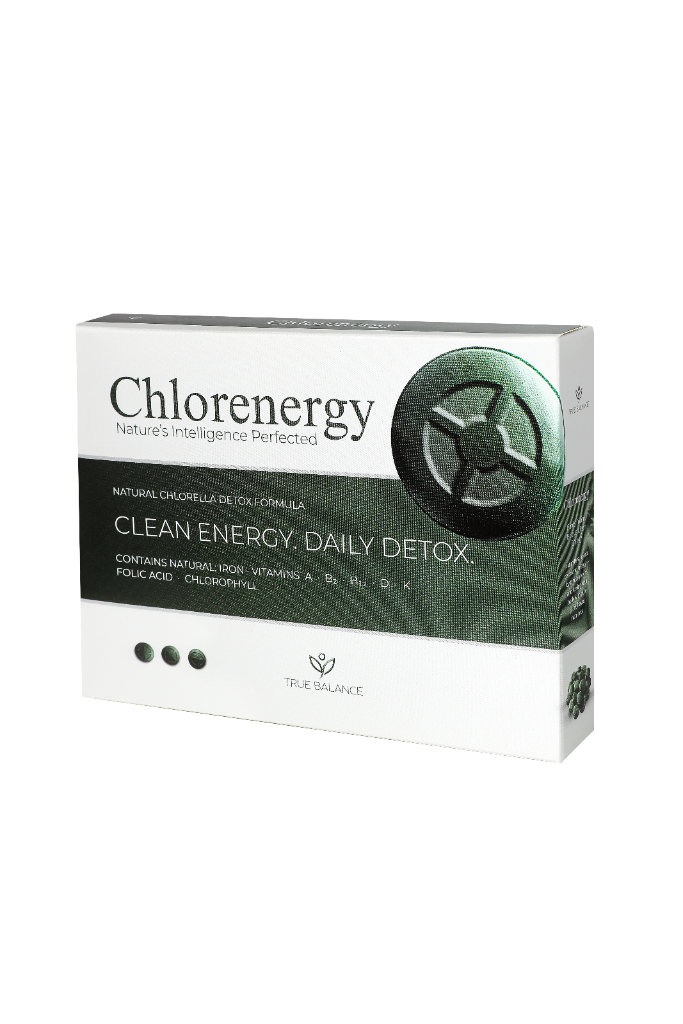
The CVE Factor: High-quality chlorella like CHLORENERGY® is particularly rich in Chlorella Vulgaris Extract (CVE)—a compound concentrated during the algae's rapid growth phase. CVE has been specifically studied for its ability to bind methylmercury (the most toxic form of mercury) and lead.
Important mechanism: Chlorella doesn't "pull" toxins from your tissues—instead, it works in the digestive tract, binding substances that your liver has already processed and prepared for elimination. This prevents reabsorption (enterohepatic recirculation) and supports your body's natural elimination processes.
Spirulina's Limited Detox Role
Spirulina, lacking a rigid cell wall structure, does not possess the same binding capacity as chlorella. While spirulina offers nutritional benefits, research on its detoxification properties is limited and less conclusive.
What spirulina does offer:
- Excellent protein source
- Antioxidant properties (particularly phycocyanin)
- Immune system support
- Anti-inflammatory compounds
What spirulina doesn't offer:
- The structural binding capacity of chlorella
- Significant research supporting heavy metal elimination
- Protection against reabsorption of toxins in the digestive tract
The Quality Crisis: Why Source Matters Critically
Here's where many people make a dangerous mistake: assuming all chlorella or spirulina products are created equal. Nothing could be further from the truth—and the consequences can be serious.
The Contamination Problem
Both chlorella and spirulina are excellent at absorbing substances from their environment. This is beneficial for detoxification purposes with chlorella, but it creates a massive problem if the algae are grown in contaminated environments.
What research reveals: Studies examining commercial algae supplements have found alarming levels of contaminants in budget products:
- Heavy metals (ironically, including mercury and lead)
- Microcystin toxins (from contaminating cyanobacteria)
- PAHs (polycyclic aromatic hydrocarbons)
- Pesticide residues
- Bacterial contamination
Why Budget Spirulina Is Particularly Concerning
Spirulina's vulnerability: Because spirulina grows in alkaline water environments and lacks a protective cell wall, it's particularly susceptible to contamination from:
Microcystin Toxins: Spirulina production can be contaminated by other cyanobacteria species that produce microcystins—liver toxins that have been associated with serious health concerns. Budget spirulina products, particularly those from countries with less stringent quality controls, have been found to contain microcystin levels exceeding safe thresholds.
Heavy Metal Accumulation: Spirulina grown in polluted water or with contaminated water sources can accumulate heavy metals. The irony is bitter: people take spirulina thinking they're supporting health, but budget products may actually be adding to their toxic burden.
Inadequate Testing: Many budget manufacturers skip expensive testing protocols to keep costs down. Without rigorous batch testing, there's no guarantee of purity.
Geographic Concerns: Some spirulina production regions have been documented to have environmental contamination issues. Products from these areas carry higher risks unless extensively tested.
Chlorella's Quality Spectrum
Chlorella quality varies dramatically based on cultivation conditions:
Budget Chlorella Risks:
- May be grown in contaminated water sources
- Often cultivated in regions with industrial pollution
- Minimal or no batch testing
- Cell wall may not be properly processed (reducing bioavailability)
- May contain heavy metals and pesticides
Premium Chlorella (CHLORENERGY® Standard):
- Cultivated in pristine, pollution-free environments
- Rigorous testing for contaminants on every batch
- Properly processed cell wall for optimal bioavailability
- Transparent sourcing and quality documentation
- Rich in CVE (Chlorella Vulgaris Extract)
CHLORENERGY®: The Gold Standard
When discussing premium chlorella, CHLORENERGY® represents what every detox supplement should be—and what most aren't.
50+ Years of Japanese Excellence
CHLORENERGY® has been cultivated in southern Japan's Chikugo region since the 1960s. This isn't just marketing—it's a half-century of refined expertise producing what many experts consider the world's finest chlorella.
Why the Chikugo region matters:
- Located far from industrial areas and pollution sources
- Pure mountain spring water (not tap water or industrial runoff)
- Consistent natural sunlight (not artificial lighting)
- Stable climate ideal for chlorella cultivation
- Natural mineral-rich water enhances nutritional profile
The CHLORENERGY® Difference
Pristine Cultivation: Grown in outdoor tanks under natural sunlight, CHLORENERGY® develops the full spectrum of beneficial compounds that indoor cultivation cannot replicate. Natural sunlight exposure maximizes chlorophyll production—CHLORENERGY® contains up to 2,400mg of chlorophyll per 100g, approximately 5x more than spirulina and 12x more than wheat grass.
Optimal Cell Wall Processing: CHLORENERGY®'s cell wall is carefully processed to be exceptionally thin—maximizing bioavailability so your body can actually access and utilize the nutrients, while maintaining the binding capacity essential for detoxification support.
Rich in CVE: The specific cultivation and harvesting methods concentrate Chlorella Vulgaris Extract (CVE)—the compound specifically studied for binding methylmercury and lead. This is what distinguishes CHLORENERGY® from generic chlorella products.
Rigorous Testing: Every single batch of CHLORENERGY® undergoes extensive testing for:
- Heavy metals (mercury, lead, cadmium, arsenic)
- Pesticide residues
- Microbial contamination
- Other potential contaminants
Only batches meeting stringent purity standards are released. This level of quality control is expensive—which is why CHLORENERGY® costs more than budget alternatives. But when you're taking something specifically to support detoxification, the last thing you want is a supplement adding to your toxic burden.
100% Pure: No additives, no fillers, no flow agents, no unnecessary ingredients. Just pure, premium chlorella.
Available Exclusively Through TrueBalance Nutrition in UAE
For residents of Dubai, Abu Dhabi, and throughout the Emirates, CHLORENERGY® is exclusively available through TrueBalance Nutrition. This exclusive partnership ensures:
- Authentic CHLORENERGY® directly from Japanese producers
- Proper storage maintaining freshness and potency
- Transparent quality documentation
- Expert customer support
- Convenient delivery throughout the UAE
This exclusivity matters. The supplement market is flooded with counterfeit and mislabeled products. By sourcing CHLORENERGY® exclusively through TrueBalance Nutrition in the UAE, you're guaranteed authentic, properly stored, premium quality.
Nutritional Comparison: Beyond the Marketing
Let's examine what research actually shows about the nutritional profiles of these algae.
Protein Quality
Both are excellent protein sources, but with nuances:
Chlorella:
- 50-60% protein content
- Complete protein with all 9 essential amino acids
- Amino acid score (AAS) of approximately 89%
- Contains all amino acids found in human breast milk
- Highly bioavailable when cell wall is properly processed
Spirulina:
- 60-70% protein content
- Complete protein with all essential amino acids
- Slightly higher protein percentage
- Easier initial digestion (no cell wall to break down)
Verdict: Both are excellent protein sources. Spirulina has a slight edge in percentage, but chlorella's protein quality is exceptionally high. For detox purposes, chlorella's additional benefits outweigh the small protein difference.
Vitamin B12: A Critical Distinction
This is where a major difference emerges:
Chlorella: Contains true, bioavailable vitamin B12 in the methylated form (methylcobalamin). This is the form your body can actually use. Studies confirm that chlorella can help meet B12 needs, making it valuable for vegetarians, vegans, and those with absorption issues.
Spirulina: Contains primarily pseudovitamin B12 (B12 analogs) that humans cannot effectively utilize. While spirulina is often marketed for B12 content, research shows these analogs may actually compete with true B12 for absorption, potentially worsening deficiency.
Verdict: For B12, chlorella wins decisively. If you're relying on algae for B12 (particularly relevant for plant-based diets), chlorella is the only reliable option.
Chlorophyll Content
Chlorella: Contains the highest chlorophyll concentration of any known plant—up to 2,400mg per 100g. This includes both chlorophyll A and chlorophyll B, produced through highly efficient photosynthesis under natural sunlight.
Spirulina: Contains significantly less chlorophyll—approximately 400-500mg per 100g (about 5x less than chlorella). Also contains phycocyanin (blue pigment) which provides different antioxidant benefits.
Why chlorophyll matters: Research has examined chlorophyll for its potential to:
- Support blood health
- Act as a powerful antioxidant
- Support gut health
- May bind certain toxins
- Provides natural deodorizing properties
Verdict: If maximizing chlorophyll intake is important, chlorella provides substantially more.
Fiber Content
Chlorella: 10-20% dietary fiber from its structured cell wall. This fiber supports:
- Healthy digestion
- Regular elimination (critical for detoxification)
- Beneficial gut bacteria
- Satiety and blood sugar balance
Spirulina: Minimal fiber content due to lack of rigid cell structure.
Verdict: For digestive health and supporting elimination pathways, chlorella's fiber content is a significant advantage.
Practical Considerations: Usage and Tolerability
Digestibility
Spirulina: Generally easier to digest initially because it lacks a cell wall. People new to algae supplements often tolerate spirulina well from the start.
Chlorella: May require an adjustment period, particularly if starting with larger amounts. Some people experience temporary digestive adjustment as their body adapts. This is why starting with smaller amounts and gradually increasing is recommended.
However: Premium chlorella like CHLORENERGY® with its optimally processed thin cell wall is generally well-tolerated. The "adjustment period" is often more pronounced with lower-quality chlorella products.
Taste
Spirulina: Has a strong, distinctive taste that many describe as "fishy" or "pond-like." This can be challenging in smoothies or when mixed with food.
Chlorella: Has a milder, more neutral "green" taste. While still earthy, many find it less objectionable than spirulina.
Practical solution: Both are typically consumed in tablet form to avoid taste issues entirely.
Best Use Cases
Choose Chlorella When:
- Supporting natural detoxification is a priority
- You want maximum chlorophyll intake
- You need reliable vitamin B12 from a plant source
- Digestive health and fiber are important
- You're exposed to environmental toxins
- You want comprehensive wellness support
Choose Spirulina When:
- You need easily digestible protein
- GLA (gamma-linolenic acid) is desired
- Phycocyanin's specific antioxidant properties appeal
- You're not concerned with detoxification support
- You're confident in your source's purity testing
Choose CHLORENERGY® Chlorella When:
- You want premium quality with guaranteed purity
- Effective detoxification support is your primary goal
- You refuse to compromise on quality and sourcing
- You want 50+ years of cultivation expertise
- You need assurance of rigorous contamination testing
The Research: What Science Actually Shows
Chlorella Studies
Detoxification Research:
- Studies in workers at a Russian metal foundry showed chlorella (combined with cilantro) successfully supported elimination of various heavy metals over a three-year period
- Research on pregnant women in Japan demonstrated chlorella supplementation was associated with reduced mercury levels in breast milk
- Animal studies have examined chlorella's ability to support elimination of various toxins
Other Benefits Studied:
- Potential support for healthy cholesterol levels
- May support healthy blood pressure
- Immune system activation
- Antioxidant properties
- Support for healthy blood sugar regulation
Spirulina Studies
Benefits Researched:
- Antioxidant and anti-inflammatory properties
- Potential immune system support
- May support healthy cholesterol profiles
- Protein supplementation benefits
- Phycocyanin's specific antioxidant effects
Important Note: Significantly less research exists examining spirulina's detoxification properties compared to chlorella's extensively studied binding capacity.
Making the Right Choice: A Decision Framework
If Your Primary Goal Is Detoxification Support:
Chlorella is the clear choice—specifically premium quality like CHLORENERGY®.
Reasons:
- Unique cell wall structure with binding properties
- Extensive research supporting detoxification
- Rich in CVE (specific detox compounds)
- High fiber content supports elimination
- Maximum chlorophyll for antioxidant support
If You're Considering Budget Options:
Reconsider entirely.
With supplements intended to support detoxification, quality isn't a luxury—it's essential. Budget algae products may be contaminated with the very substances you're trying to address. The money you "save" could cost you far more in health consequences.
Red Flags to Watch For:
Avoid products that:
- Don't provide transparent sourcing information
- Can't produce third-party testing results
- Come from countries with documented contamination issues
- Are significantly cheaper than premium options
- Make exaggerated health claims
- Don't specify the exact algae species/strain
The Bottom Line
If you're seeking algae supplementation specifically for supporting your body's natural detoxification processes, chlorella is the superior choice—and not just any chlorella, but premium quality like CHLORENERGY®.
While spirulina offers nutritional benefits, it lacks chlorella's unique structural properties and the research base supporting detoxification. More concerning, budget spirulina products may contain contaminants that undermine your health goals.
CHLORENERGY® represents the gold standard: 50+ years of Japanese cultivation expertise, pristine sourcing, rigorous testing, and the highest concentration of the compounds that make chlorella effective. For residents of the UAE, exclusive availability through TrueBalance Nutrition ensures authentic quality.
When it comes to supporting your body's handling of environmental exposures, don't compromise. Choose chlorella. Choose quality. Choose CHLORENERGY®.
Important Medical Disclaimer: This article is for educational and comparative purposes only and does not constitute medical advice. Chlorella and spirulina are dietary supplements, not intended to diagnose, treat, cure, or prevent any disease. Information about detoxification refers to supporting the body's natural processes. Before starting any supplement regimen, consult qualified healthcare professionals. Individual results vary. No specific outcomes are promised or guaranteed. References to contamination in budget products are based on published research and do not refer to any specific brand.
Discover premium CHLORENERGY® organic chlorella—exclusively available in the UAE through TrueBalance Nutrition. Experience the difference that 50+ years of Japanese cultivation expertise, pristine sourcing, and rigorous quality testing makes. Your detoxification support deserves premium quality.